Author: Dr. Ross Headifen (PhD) 
Ross Headifen has a PhD in Mechanical Engineering and over 28 years of experience working in environmental technologies. As co-founder of Biogone and FieldTech Solutions, Ross has been closely involved in Australia’s response to plastic waste, witnessing firsthand the shifts in policy, recycling limitations, and the growing need for alternative solutions over the past five years.
Australia in 2019. We had just established ambitious goals for packaging: the 2025 National Packaging Targets, which aimed to have all packaging reusable, recyclable or compostable, and big promises around reducing single-use plastics. There was momentum, awareness, and a sense that with the right policies and public pressure, change was possible.
Fast forward to 2025, and things are mixed. Some good progress; many disappointments. The scale of the challenge remains enormous – but so do the opportunities.
What’s Changed (for Better)
1. Policies & Bans Are Being Enforced More Broadly
a. Since 2019, many Australian states have rolled out bans on specific single-use plastics (bags, straws etc.), as well as expanded regulations under the National Plastics Plan. These moves have cut down certain types of waste and signalled seriousness.
b. Industry and government are more aligned: targets for recycled content, faster phasing out of problematic packaging, more attention to design for end of life.
2. Greater Attention to the Circular Economy
a. Research like CSIRO’s Ending Plastic Waste is pushing Australia toward innovations in recycling, reuse, and waste diversion. CSIRO Research
b. More reporting, more data, better understanding of plastic flows and what happens to plastic across its lifecycle. This makes for more informed policy and business decisions.
3. Public Awareness & Pressure Has Risen
a. Media, NGOs, grassroots efforts have kept plastic pollution front-of-mind. People expect businesses to act.
b. Container deposit schemes expanding; bag bans; visible changes in consumer behaviour.
What’s Still Very Much a Problem
1. Plastic Waste Volume Has Continued to Grow
a. The total amount of plastic waste generated is rising. In 2023-24, Australians produced about 2.5+ million tonnes of plastic waste, up from lower amounts just a few years earlier.
b. Despite the positive steps, growth in waste is outpacing improvements in recovery.
2. Low Recovery / Recycling Rates
a. Only about 14-15% of plastic waste is being kept out of landfill (that is, recycled, composted, or recovered in some other way).
b. That number has barely budged in many years, even with infrastructure investments.
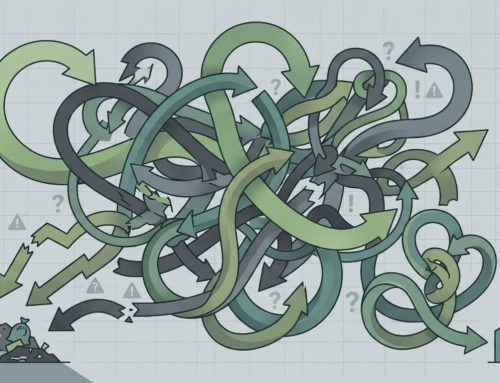
3. Infrastructure Gaps & Systemic Barriers
a. Soft plastics recycling remains patchy. The collapse of programs like RedCycle revealed how vulnerable parts of the system are.
b. Demand for recycled plastic is still weak in many sectors, making it hard for recyclers to scale.
4. “Greenwashing” & Mismatched Expectations
a. Businesses and consumers are more aware, but that sometimes leads to oversimplification. Terms like “biodegradable,” “compostable,” “recyclable” are used loosely, causing confusion.
b. Policies have focused heavily on recovery (recycling etc.), but less on reducing production or consumption, which many argue is essential.
Is the Trend Promising?
Yes — with caution.
● On the positive side, there’s more regulation, more data, more tech innovation, more business interest. These are all necessary pieces of real change.
● But the plastic waste problem is not shrinking. It’s compounding. Unless recovery & recycling scale and upstream plastic production and use are curbed, we’ll continue to see waste grow faster than we handle it.
What This Means for Businesses
From Biogone’s point of view, here are the takeaways:
● Being reactive (just complying with bans) isn’t enough. Businesses need to proactively adopt plastic alternatives that manage both performance and end of life.
● Choosing plastics designed not just for use, but for what happens to them after (recyclable where possible, biodegradable if not), is no longer optional – it’s part of business risk.
● Investments in design (packaging design, material choice), sourcing recycled content, reducing unnecessary plastic, and being transparent about disposal will boost credibility, reduce waste, and align with coming regulation.
A Heartfelt Conclusion
Plastic waste has gone from an emerging concern pre-COVID to a defining environmental issue in 2025. The cost of inaction is high – for ecosystems, for climate, for business reputation. But this is also a time for hope. The tools, the science, the policies are there.
What matters now is scale and integrity. Not just switching to “green words” but changing systems – how we make, use, move, and dispose of plastics. For business owners, that means choosing eco-smart, more responsible alternatives. Because for every wrapper, every mailer, every glove disposed, there is a choice. Those choices add up.
If we make them wisely, the next five years can be one of turning the tide rather than watching the waves grow.