Author: Dr. Ross Headifen (PhD) 
Ross Headifen has a PhD in Mechanical Engineering and more than 28 years of experience in environmental product development. As co-founder of Biogone and FieldTech Solutions, Ross brings a practical, industry-grounded perspective to the global conversation around plastic bans, highlighting both the challenges of eliminating plastics and the need for realistic transition solutions.
Short answer: an outright global ban on “plastic” isn’t on the horizon. But targeted bans on problematic single-use items, toxic additives, and high-risk applications are expanding – and Australia is helping push a tougher global deal. For businesses, that means the rules are tightening, expectations are rising, and the smart move is to shift to eco-smart, more responsible materials now.
Where the world is heading (and why a total ban is unlikely)
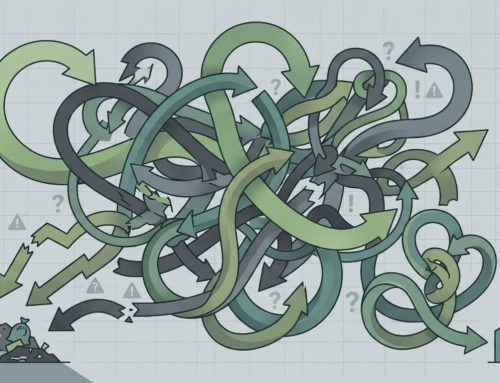
● Global treaty talks are hot – but hard. After years of negotiations, countries still disagree on whether to cap plastic production or focus on recycling and product design. The latest Geneva round (Aug 2025) collapsed without agreement, with deep divisions between nations wanting binding caps and those preferring waste-management measures. Another push is expected, but consensus is tough.
● Australia’s stance is firming. In June 2025, Australia joined 96 nations calling for an ambitious, binding treaty and signalled its eyeing rules for plastic importers to drive circular design (not just waste exports).
● Evidence backs targeted bans. Peer-reviewed analyses show that bans on specific single-use items, taxes, and extended producer responsibility can materially reduce waste – even as we redesign materials and systems for circularity. That’s the policy direction most likely to accelerate.
What’s already banned (Victoria example)
If you operate in Victoria, several single-use plastic items are already illegal to sell or supply – including straws, stirrers, cotton buds, plates (including plastic-lined paper plates), cutlery, and all expanded polystyrene foodware. The ban also applies to biodegradable, degradable and compostable plastics in those categories. Non-compliance can attract significant penalties. (Bans differ by state, so check your location.)
So… will plastic be “banned”?
Think of it this way:
● Blanket ban on all plastics? Highly unlikely. Plastics remain essential in healthcare, food safety, critical infrastructure and lightweighting.
● Expanding bans on single-use and problematic items? Yes – already happening, and set to grow. Expect more item-by-item restrictions, recycled-content mandates, chemical controls, and design rules across packaging and consumables.
● Hard caps on production? Still contested at the UN level; watch this space.
What businesses should do now (practical, eco-smart moves)
1. Audit everyday plastics across operations (mailers, bin liners, stretch wrap, gloves, catering). Prioritise high-volume, short-use items first.
2. Swap to more responsible formats that either (a) are recyclable where programs exist, or (b) have a credible end-of-life pathway if landfilled.
3. Prefer PCR (post-consumer recycled) content to cut virgin plastic use and align with likely recycled-content requirements over time.
4. Design for circularity (clear labelling, mono-materials, avoid problematic additives). This is exactly where governments are heading.
5. Track local bans and penalties – they vary by state and are being updated.
Where Biogone fits
We get it: many plastics in business are there for performance reasons—strength, moisture/UV resistance, shelf life. That’s why Biogone focuses on eco-smart, more responsible options that keep your operations humming and reduce long-term impact if items end up in modern landfill.
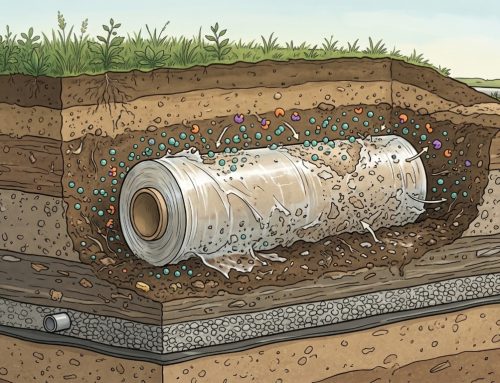
● Landfill-biodegradable: Our products (made from 99% conventional plastic plus a 1% organic additive) are engineered to biodegrade approximately 90% faster in modern landfills – breaking down into organic matter without microplastics actively formed – while maintaining the durability you expect in daily use. Independent labs test this using standards such as ASTM D5511 and BMP. (Disposal note: they won’t biodegrade in the ocean or out in the open environment – correct disposal still matters.)
● Ready for circularity: Where soft-plastic recycling channels exist, our products are recyclable; and as programs expand, your packaging is ready. We’re also incorporating PCR content wherever possible to keep materials in circulation. (That’s exactly where policy – and customer expectations – are moving.)
In short: a sweeping, one-size-fits-all ban on plastic isn’t the destination. But smarter bans, stricter design rules, and circular-economy mandates absolutely are. Making eco-smart choices now puts your business ahead of regulation, reduces risk, and shows clear leadership.