Author: Dr. Ross Headifen (PhD) 
Ross Headifen has a PhD in Mechanical Engineering and over 28 years of experience developing environmental and sustainable industry solutions. As co-founder of landfill biodegradable plastics brand Biogone and environmental equipment supplier FieldTech Solutions, Ross focuses on the scale and complexity of plastic waste—highlighting how global production, low recycling rates, and long-term persistence combine to create a problem that continues to grow faster than it is being solved.
From the crinkle of a lolly wrapper at your kid’s birthday party to the mountains of plastic packaging arriving at Australia’s ports every day, plastic is everywhere. It’s convenient, versatile, and part of our daily lives. But together, these small and large pieces create a problem so vast it’s reshaping our environment, our economy, and our future.
The Scale of the Issue
Clean Up Australia reports that plastic is the largest proportion of litter collected across the country, year after year. In fact, Australians use around 2.5+ million tonnes of plastics annually, and most of it isn’t being recovered.
Here’s the reality:
● Single-use plastics dominate: Straws, bags, food packaging, and bottles account for a huge chunk of litter and waste.
● Recycling is falling short: Only about 13% of plastic is recycled nationally. The rest is sent to landfill or leaks into the environment.
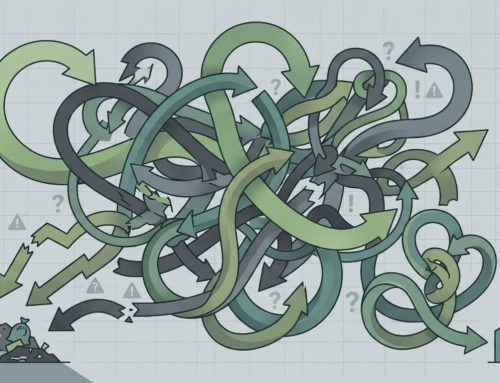
● Waste is compounding: Globally, plastic production has surged over the past two decades, and without intervention, it’s projected to double again by 2050.
So whether it’s the tiny candy wrapper or the tonnes of stretch wrap in a warehouse, every piece contributes to a bigger picture: a waste stream that isn’t slowing down.
Why This Matters to Business
Businesses are at the heart of the plastic problem – and the solution. Packaging, shipping, storage, catering, and customer-facing products all involve plastic. What you choose today impacts not just your waste footprint, but your reputation and compliance tomorrow.
● Customer expectations: Consumers are increasingly aware of plastic pollution. They’re looking for brands that act responsibly, not ones that add to the problem.
● Regulatory change: With the National Plastics Ban and National Packaging Targets, businesses will be required to rethink materials sooner rather than later.
● Operational efficiency: Excessive plastic use isn’t just unsustainable; it’s costly as landfill levies rise and waste management gets tighter.
Biogone’s Eco-Smart Answer
At Biogone, we recognise that businesses can’t eliminate plastics overnight. But they can choose smarter plastics that reduce long-term harm.
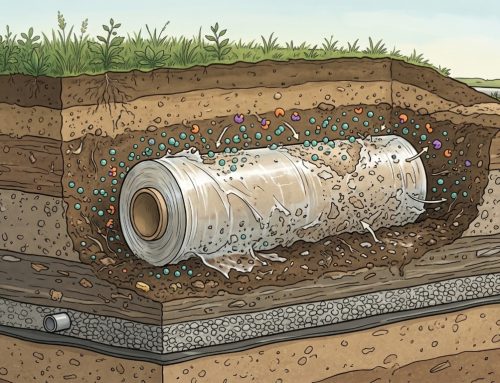
● Landfill-biodegradable plastics: Our products biodegrade approximately 90% faster in modern landfill conditions than conventional plastics, breaking down into organic matter with no microplastics actively formed during biodegradation.
● Recyclable where possible: Many Biogone products can still go through soft-plastics recycling streams as they re-emerge.
● Made for business: From bin liners and mailing satchels to stretch wrap and nitrile gloves, our products have the same performance as traditional plastics – strong, durable, moisture- and UV-resistant.
It’s about replacing the disposable plastic waste issue with logical, cost-effective, eco-smart alternatives.
The Bigger Picture
The plastic waste challenge is enormous – bigger than one person, one company, or one country. But it’s not insurmountable. Every action counts. When your business swaps a conventional product for a landfill-biodegradable one, you’re cutting into the problem at its root.
From the small lolly wrapper in your child’s hand to the containers shipped across oceans, plastics are shaping our world. It’s time we shaped the outcome.