Author: Dr. Ross Headifen (PhD) 
Ross Headifen has a PhD in Mechanical Engineering and over 28 years of experience developing environmental and sustainable industry solutions. As co-founder of landfill biodegradable plastics brand Biogone and environmental equipment supplier FieldTech Solutions, Ross brings a practical perspective to the history of plastics – exploring how a material originally invented for its durability and versatility has evolved into one of today’s most persistent environmental challenges.
Plastics are so embedded in our daily lives that it’s hard to imagine a world without them. From your phone case to your car dashboard to the gloves in your workplace, plastics are everywhere. But where did it all begin – and was the invention of plastics the start of one of the biggest environmental challenges we face today?
The First Human-Made Plastic
The story starts in 1856, when British chemist Alexander Parkes unveiled Parkesine, the world’s first man-made plastic, at the Great International Exhibition in London. Made from cellulose (a plant-based material) treated with chemicals, Parkesine was lightweight, mouldable, and could mimic ivory, tortoiseshell, and bone.
Parkes’ invention was revolutionary – a material that could replace expensive, scarce natural resources. But Parkesine was brittle and costly to produce, so it didn’t take off commercially.
The real breakthrough came in 1907, when Belgian chemist Leo Baekeland invented Bakelite. It was durable, heat-resistant, and perfect for mass production. Bakelite quickly found uses in telephones, radios, jewellery, and household goods. Many call Baekeland the “father of modern plastics.”
From Innovation to Explosion
These early inventions were hailed as miracles of modern science. Plastics promised convenience, affordability, and endless possibilities. By the mid-20th century, plastics were booming. Nylon stockings, Tupperware, and plastic packaging transformed daily life.
But with that boom came a hidden cost. Plastics were designed to be durable – which means they don’t just disappear when we’re done with them. Instead, they accumulate in landfill and leak into natural environments.
Was It the Beginning of a Massive Disaster?
In hindsight, the invention of plastics was a double-edged sword. On one hand, plastics made life safer, cheaper, and more accessible. They replaced scarce resources like ivory, protecting animals from overhunting. They made medical advances possible, from syringes to sterile packaging.
On the other hand, we never planned for their end of life. Production skyrocketed without a system to recover or responsibly dispose of plastics. Today, more than 350 million tonnes of plastic are produced globally every year, and much of it ends up in landfill or polluting ecosystems.
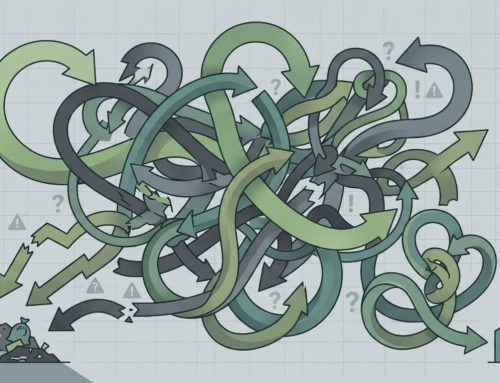
So, yes – the invention of plastics set the stage for a massive global waste challenge. Not because plastics exist, but because we didn’t anticipate what would happen when billions of short-use items were made from materials designed to last forever.
Where Biogone Fits In
At Biogone, we believe innovation should work for the future – not against it. Our landfill-biodegradable plastics are a step towards correcting the oversight of those early inventions.
● If recycled: Our products can join soft-plastic streams where available.
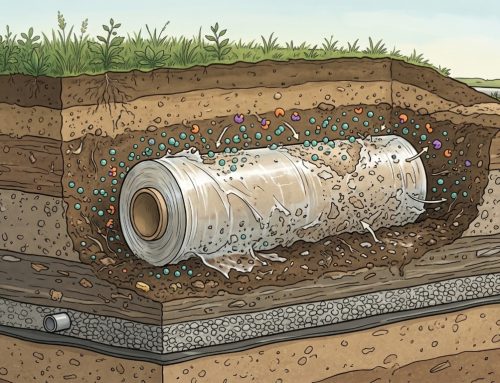
● If not recycled: A unique additive ensures they biodegrade in modern landfill approximately 90% faster than conventional plastics, turning into organic matter with no microplastics actively formed.
Plastics aren’t going away. But they don’t have to be permanent.
The Lesson for Business
The history of plastics shows us two things:
1. Innovation without foresight can create bigger problems.
2. Businesses have the power to choose smarter materials today.
By choosing landfill-biodegradable plastics, your business becomes part of the solution – not another chapter in the disaster.