Author: Dr. Ross Headifen (PhD) 
Ross Headifen has a PhD in Mechanical Engineering and over 28 years of experience developing environmental and sustainable industry solutions. As co-founder of landfill biodegradable plastics brand Biogone and environmental equipment supplier FieldTech Solutions, Ross brings a practical, industry-led perspective to plastic recycling-highlighting the technical, economic, and infrastructure challenges that make it impossible to recycle all plastics, despite growing demand and awareness.
Most Australians know the recycling symbol with numbers 1 to 7. But here’s the truth: not all plastics are created equal, and not all are recyclable in practice.
Resin Codes Explained
● 1 (PET): Bottles, widely recycled.
● 2 (HDPE): Milk and shampoo bottles, widely recycled.
● 3 (PVC): Pipes, cling wrap – rarely recycled.
● 4 (LDPE): Soft plastics like bread bags – limited recycling options.
● 5 (PP): Yogurt tubs, bottle caps – increasingly accepted.
● 6 (PS): Foam cups, trays – difficult to recycle.
● 7 (Other): Mixed plastics and bioplastics – rarely recycled.
The Gap Between Theory and Reality
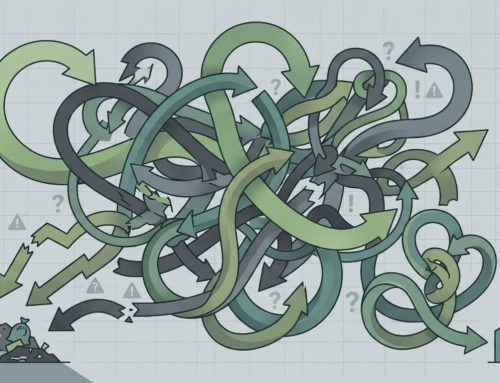
Even if a plastic is technically recyclable, infrastructure is patchy. Contamination, mixed materials, and market demand for recycled plastic all limit what actually gets processed. Soft plastics have been especially challenging since RedCycle collapsed.
Consumer Confusion
The recycling triangle is often misunderstood as a guarantee. In reality, it’s just an identification code for the type of plastic, not a recycling promise.
Biogone’s Dual Pathway
That’s why Biogone products are designed for two outcomes:
● Recyclable where possible through soft-plastic programs.
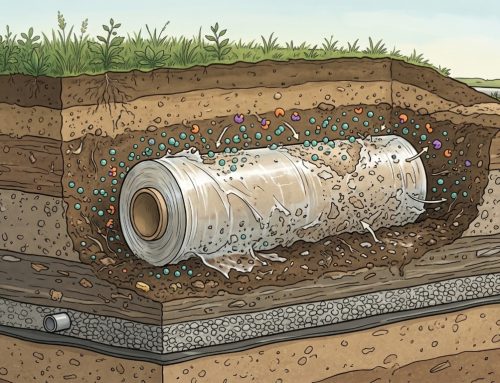
● Biodegradable in modern landfill if recycling isn’t available – breaking down approximately 90% faster with no microplastics actively formed. See How “Landfill-Biodegradable Plastics Complement the Circular Economy Transition” for more on this.
Takeaway: Recycling is essential but imperfect. Businesses need packaging that works in recycling streams and has a responsible end-of-life backup.