Author: Dr. Ross Headifen (PhD) 
Ross Headifen has a PhD in Mechanical Engineering and over 28 years of experience developing environmental and sustainable industry solutions. As co-founder of landfill biodegradable plastics brand Biogone and environmental equipment supplier FieldTech Solutions, Ross brings a practical, end-of-life perspective to plastic waste—highlighting what really happens when plastic isn’t recycled, from landfill realities to long-term environmental impact.
Every business uses plastics. But what happens to those plastics after use is often out of sight, out of mind. The truth is, when plastic waste isn’t recycled, it doesn’t just disappear – it lingers. For businesses, that means every packaging satchel, bin liner, or stretch wrap you use has a legacy.
The Reality of Non-Recycled Plastics
● They end up in landfill: In Australia, more than 80% of plastic waste goes straight to landfill each year. Conventional plastics can take hundreds of years to break down, occupying valuable space and releasing greenhouse gases as they slowly biodegrade.
● They contribute to lost resources: Every piece of plastic thrown away is a lost opportunity to keep materials circulating in the economy. Virgin plastic must then be manufactured, adding more emissions and resource pressure. Furthermore every piece of non-biodegradable plastic thrown away is the loss of all that embodied energy that could be used to generate power.
Why Recycling Alone Isn’t Enough
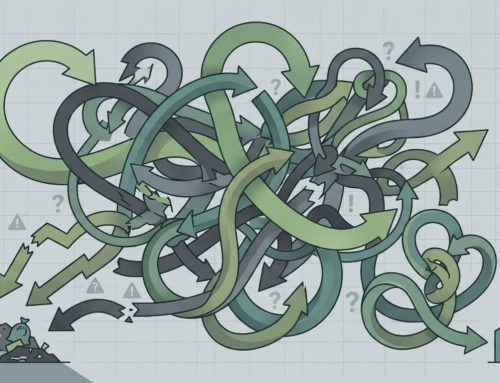
Recycling is critical, but Australia’s infrastructure is still limited. Soft plastics, in particular, have very few collection programs since RedCycle closed. That means even plastics designed to be recyclable often end up in landfill.
For business owners, relying on recycling systems alone isn’t realistic right now. You need a dual-pathway solution.
Biogone’s Dual Pathway Approach
At Biogone, we design plastics that do more if they miss the recycling bin:
● Recyclable where possible: Our products – like stretch wrap, bin liners, and zip-lock bags – can be recycled through soft-plastic channels as they re-emerge.
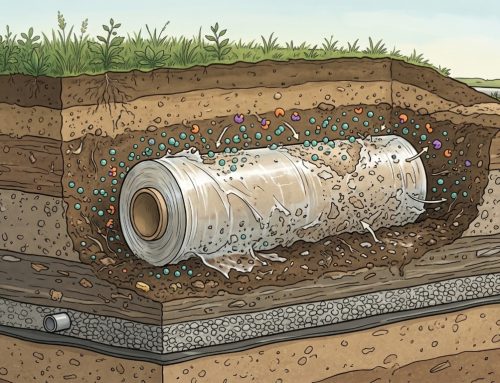
● Biodegradable in modern landfills* if not recycled: With a unique organic additive, our plastics biodegrade approximately 90% faster in modern landfill conditions than conventional plastics, turning into natural fertiliser with no microplastics actively formed during biodegradation.
It’s a win-now, win-later approach: your plastics support the circular economy when recycling is available, and if not, they still avoid the centuries-long persistence of conventional plastic.
The Cost of Doing Nothing
Ignoring the problem isn’t just an environmental issue:
● Customer trust: 91% of Australians are concerned about plastic pollution. Businesses that don’t act risk losing credibility.
● Regulatory pressure: Businesses need solutions now to avoid non-compliance later.
● Operational risk: As disposal costs and landfill levies rise, reliance on conventional plastics can increase costs over time.
A Logical Step for Business
By switching everyday items – mailing satchels, bin liners, stretch wrap, gloves – to landfill-biodegradable versions, your business reduces its long-term plastic impact without disruption or high costs.
If plastic must be used, it should at least be eco-smart and more responsible. That’s exactly what we deliver.