LANDFILL BIODEGRADABLE AND HOME COMPOSTABLE EVERYDAY PLASTIC PRODUCTS

9 07, 2026

Misleading Circularity Claims Being Made

2026-07-09T17:25:49+10:00By |General Blogs, News|

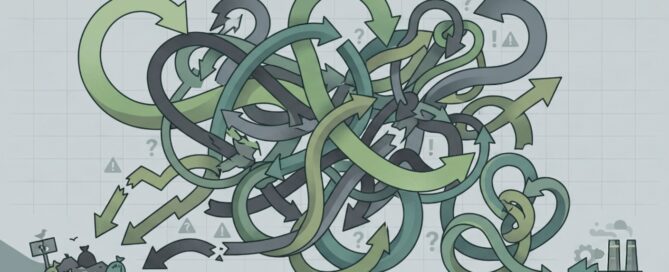
A conceptual editorial illustration showing multiple recycling arrows and circular economy loops tangled and overlapping in confusing directions, some loops broken and leading to a landfill icon, others looping back to a factory — clean flat-design vector style, muted green and grey palette, subtle warning/question mark motif, no text, no logos.
9 07, 2026

How Landfill-Biodegradable Plastics Complement the Circular Economy Transition.

2026-07-10T11:04:54+10:00By |General Blogs, News|

Australia's circular economy targets are slipping further out of reach — we're currently recycling only around 15% of the 3.5 million tonnes of plastic waste we generate each year. Dr Ross Headifen explains how landfill-biodegradable plastics offer a practical bridge: fully recyclable when recovery infrastructure exists, but able to naturally biodegrade in landfill when it doesn't — without the microplastic risks of degradable additives or the shelf-life and disposal limits of compostables.

7 06, 2026

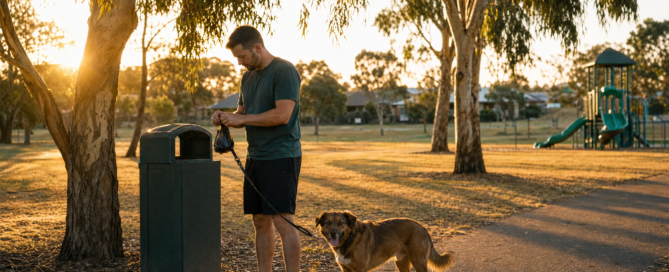
Picking Up After Your Dog: What the Bag Actually Does (and Doesn’t) Once You’ve Thrown It Out

2026-09-09T13:24:12+10:00By |General Blogs, News|

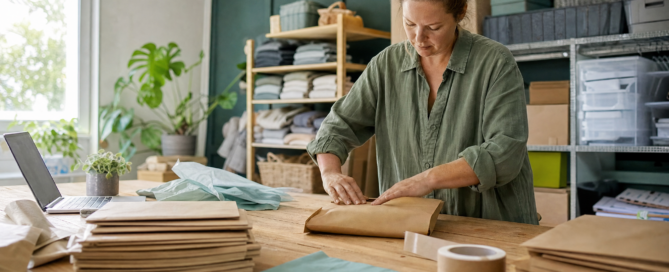
Start shopping for sustainable packaging and you hit a wall of claims: compostable, plant-based, eco-friendly, plastic-free. They sound similar and mean very different things. This one is written for the person actually packing the orders. What to ask suppliers, which claims hold up to scrutiny, and how to talk about your choices without overstating them.

30 05, 2026

Sustainable Packaging for Australian Ecommerce: A Practical Guide for Small Brands

2026-09-09T11:40:59+10:00By |General Blogs, News|

Start shopping for sustainable packaging and you hit a wall of claims: compostable, plant-based, eco-friendly, plastic-free. They sound similar and mean very different things. This one is written for the person actually packing the orders. What to ask suppliers, which claims hold up to scrutiny, and how to talk about your choices without overstating them.

30 04, 2026

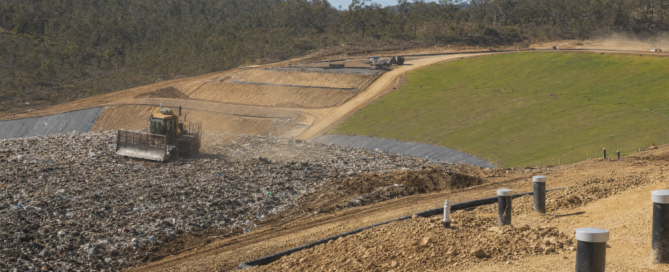
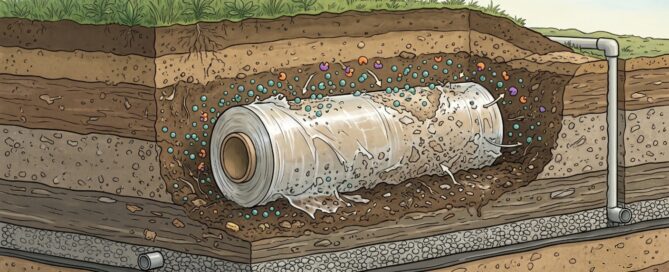
What Actually Happens to Plastic Waste in Australian Landfills — and What Breaks Down vs What Doesn’t

2026-09-09T11:40:22+10:00By |General Blogs, News|

Yellow bin, collected, remade into new plastic. That's the comfortable version. The real figure is that only 12% of Australia's plastic gets recovered, which makes the honest question what happens to the other 88% once it's buried. What actually breaks down in a modern landfill, what doesn't, and why most "biodegradable" claims don't survive the trip.

30 03, 2026

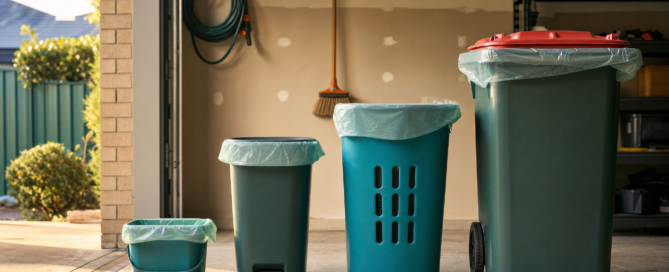
How to Choose the Right Bin Liner Size for Your Kitchen, Garage, and Wheelie Bin

2026-09-09T11:39:38+10:00By |General Blogs, News|

Nobody wakes up thinking about bin liners, until the one you bought slides into the bin or splits on the way to the kerb. Sizing isn't complicated, but the product names make it harder than it needs to be. A straight guide to matching liner to bin, from a 10L benchtop caddy up to a 240L council wheelie.

28 02, 2026

Compostable, Biodegradable, or Recyclable? A Plain-English Guide for Australian Households

2026-09-09T11:39:09+10:00By |General Blogs, News|

Two near-identical packets on the shelf. One says "biodegradable", the other says "compostable". They feel like they should mean the same thing, and they don't. The difference decides where the packet actually ends up. A plain-English guide to all three terms, the Australian standards behind them, and how to match a product to the bin you actually have.

30 01, 2026

Australian Plastic Recycling Symbols Explained: What the Numbers 1–7 Really Mean

2026-09-09T11:38:23+10:00By |General Blogs, News|

You have stood at the bin, squinting at the little triangle on the bottom of a container. Here is the catch: that number tells you what the plastic is made of, not which bin it belongs in. A plain-English guide to all seven resin codes, why the Australasian Recycling Label is the one that actually answers the question, and where the leftovers go.

12 11, 2025

Why Can’t We Recycle All Plastics?

2026-07-10T13:00:14+10:00By |News, Plastic News|

Everyone knows the recycling triangle with numbers 1 to 7 - but that symbol is an identification code, not a recycling guarantee. Not all plastics are created equal, and not all are recyclable in practice, with infrastructure gaps, contamination, and market demand all limiting what actually gets processed. Dr Ross Headifen breaks down which resin types make the cut, why soft plastics remain a challenge, and how a responsible end-of-life backup closes the gap recycling can't.

Go to Top